Source Automatic 3D UV Wall Printers for Business
Explore 30 listings for the automatic 3d uv wall printer, featuring models like SWT-WP-06 and 260-5. Compare specifications including piezoelectric inkjet technology, CE certification, and customizable heights to find the right industrial solution for your printing needs; compare the available evidence and request quotations based on your requirements.
Key considerations
Products List


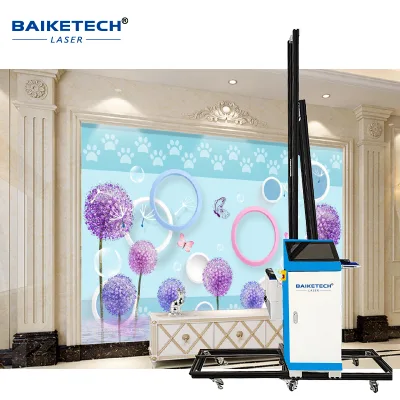


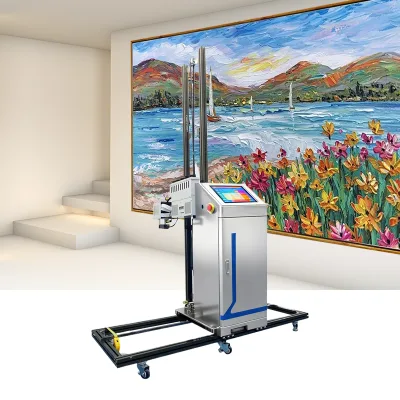


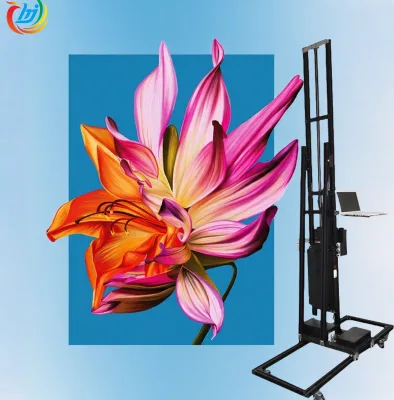
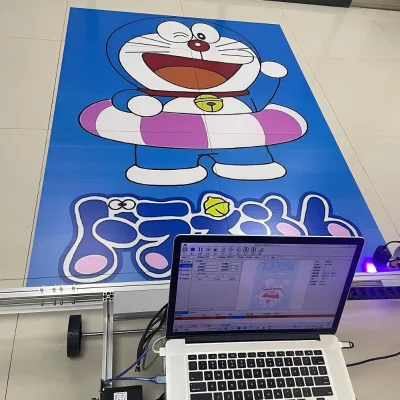
Comprehensive Sourcing Guide
Automatic 3D UV Wall Printer Sourcing Guide
Procuring an automatic 3D UV wall printer requires distinguishing between standard industrial units and specialized vertical printing systems designed for large-scale architectural surfaces. The observed market data indicates a diverse range of models, from the 260-5 series to the SWT-WP-06, each offering distinct capabilities in height and nozzle configuration. Buyers must carefully evaluate whether the machine's standard three-meter height or optional four-meter customization aligns with their specific wall printing requirements before initiating a purchase order.
The operational environment for these devices varies significantly, with some units supporting Windows XP through 10 while others rely on specific industrial interfaces. Understanding the printing technology type, such as Piezoelectric Drop-on-Demand inkjet systems, is essential for matching the equipment to the intended substrate. Whether the application involves brick, metal, or glass, the selection process must prioritize the machine's ability to handle the specific material properties and the required print resolution for professional results.
Product Scope and Observed Listing Signals
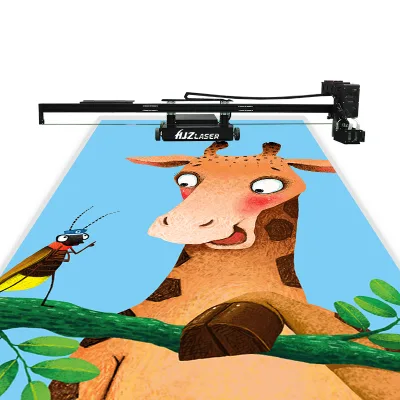
The product listings reveal a clear segmentation between platen press structures and vertical wall printing systems, with the latter dominating the automatic 3D UV category. Observed specifications highlight a print size of 2.5 meters high with arbitrary width, though some models support up to 4 meters in height. This variability suggests that buyers should verify the exact physical footprint and ceiling clearance requirements of their facility, as the standard 700mm by 300mm by 3000mm dimensions may not fit all operational spaces without customization.
Listing signals also indicate a wide range of ink and nozzle options, including UV or water-based inks and configurations with two or three nozzles. The presence of multiple print head types, such as Dx10, Dx7, I1600, and I3200, implies that performance metrics like speed and color depth will differ across models. Buyers should scrutinize the specific model number, such as Hjz-Wp-06 or SWT-WP06, to ensure the listed features like 8-color or 5-color CMYK capabilities match the visual fidelity required for their specific wall decoration projects.
Technical Specifications to Verify
Technical verification must begin with the printing interface and operating system compatibility, as some units are restricted to Windows XP while others support modern Windows 7 through 10 environments. The printing speed, often cited as 7.5 CPI, serves as a baseline metric, but the actual throughput depends heavily on the selected print head and the complexity of the image being processed. Buyers should confirm the RAM capacity and CPU specifications to ensure the system can handle high-resolution graphics without latency during continuous operation.
The physical detection capabilities and height adjustments are critical for vertical printing applications, with observed models supporting height detections ranging from 1.6 meters to 2.5 meters. It is vital to verify if the machine supports the specific substrate thickness and surface irregularities of the intended wall, as the standard 2.5-meter height may require customization for taller structures. Additionally, the nozzle specifications and the option for white ink integration must be confirmed to ensure the printer can achieve the desired opacity and color accuracy on various materials.
Compliance and Safety Documentation
Compliance documentation is a primary concern for international procurement, with observed listings frequently citing CE certification as a baseline requirement. However, more comprehensive safety profiles may include SGS, FDA, RoHS, and ISO certifications, which are essential for ensuring the machine meets global environmental and safety standards. Buyers should request full certification packages to verify that the electrical components and ink systems adhere to the regulations of their specific destination country, particularly regarding hazardous materials and electromagnetic compatibility.
Safety protocols for the operator must also be validated, especially concerning the use of UV inks and the high-voltage components within the industrial printing head. The warranty period, typically observed as two years, should be reviewed alongside the after-sales service terms, which often include 24-hour online support and overseas service availability. Ensuring that the supplier provides clear documentation on maintenance procedures and emergency shutdown protocols is crucial for maintaining a safe working environment and minimizing operational downtime.
Cost Drivers and Commercial Terms
Cost drivers for automatic 3D UV wall printers are heavily influenced by the customization level, print head technology, and the specific model configuration selected. The observed price range of 1,735 to 10,000 USD reflects significant variance based on features like the number of nozzles, the height of the machine, and the inclusion of white ink capabilities. Buyers should analyze the total cost of ownership, including the price of consumables like UV ink and the potential need for specialized packing materials such as wooden cases or sea freight containers.
Commercial terms regarding lead time and minimum order quantity are generally favorable, with an average lead time of 3 to 7 days and an MOQ of 1 unit observed in the market. However, the shipping method, typically by sea, and the associated logistics costs can significantly impact the final landed cost. Buyers must clarify the Incoterms and ensure that the supplier provides detailed packing lists and shipping documents to facilitate smooth customs clearance and timely delivery to the installation site.
Supplier Qualification and Quality Control
Supplier qualification should focus on the manufacturer's ability to provide consistent quality control and reliable after-sales support, as evidenced by the 24-hour online service and overseas assistance options. The presence of multiple model numbers and customization options suggests a flexible manufacturing process, but buyers must verify the supplier's track record in delivering units that meet the specified technical standards. Requesting references from previous international clients can provide insight into the supplier's reliability and the actual performance of their machines in real-world scenarios.
Quality control measures should extend beyond the initial inspection to include pre-shipment testing and post-installation support. Buyers should confirm that the supplier conducts rigorous testing on the printing head, ink flow, and height detection systems before dispatch. The warranty terms, typically covering two years, should be clearly defined to include parts and labor, ensuring that any defects in the industrial printing head or control system are addressed promptly without additional cost to the buyer.
Long-Term Procurement Checks
Long-term procurement checks must prioritize the availability of spare parts and the longevity of the printing head technology, such as the Epson Industrial Printing Head or Dx series components. As these machines are designed for continuous operation, the supply chain for consumables like UV ink and replacement nozzles must be secure to prevent production stoppages. Buyers should establish a direct line of communication with the supplier to ensure a steady supply of compatible parts and software updates for the Windows operating systems used by the machine.
Regular maintenance and performance monitoring are essential for sustaining the high-quality output expected from automatic 3D UV wall printers. Buyers should implement a schedule for cleaning the print heads and calibrating the height detection sensors to maintain the 2.5-meter or 4-meter printing accuracy over time. Additionally, staying informed about industry standards and technological advancements will help buyers make informed decisions regarding future upgrades or replacements, ensuring their investment remains competitive and efficient in the evolving market.
FAQs
What print size can an automatic 3d UV wall printer handle?
These printers typically handle a print area of 2.5 meters in height with unlimited or arbitrary width. Height can be adjusted because standard machine height is 3 meters, and some models support a customized 4-meter setup. Confirm the exact height detection and frame standard with the supplier before ordering, since configurations differ between models.
Which ink types do these wall printers use?
Most automatic 3d UV wall printers in this category use UV ink, and some models also support water-based ink. UV ink is generally preferred for durable, weather-resistant output on surfaces like brick, wall, metal, wood, and glass. Check whether white ink is optional or included, as CMYK plus white affects machine configuration and cost.
What print heads are used in these machines?
Listed configurations include industrial print heads such as Dx10, Dx7, I1600, I3200, and 4720, with Epson industrial heads appearing on several models. Nozzle setups come in 2-nozzle or optional 3-nozzle versions. The print head choice influences speed, resolution, and ink compatibility, so match the head type to your intended production volume and materials.
Can these printers work with different computer systems?
Yes, the operating platform supports Windows XP, 7, 8, 9, and 10, and printing interfaces use USB2. This makes integration straightforward with most standard office or workshop computers. Verify that your chosen model's software version matches your operating system, and confirm whether the supplier provides installation files and setup guidance with each unit.
What certifications do automatic 3d UV wall printers carry?
Certifications vary by model and listing. Some printers show CE certification, while others list a broader set including CE, SGS, FDA, RoHS, and ISO. Because certification requirements differ by destination country, request the specific certificates relevant to your market before placing an order, and verify the documents cover the exact model you intend to purchase.
How long is the typical lead time and warranty?
Average lead time is 3 to 7 days for listed models, and some listings include a 2-year warranty with 24-hour online and overseas after-sales service. Lead time can shift with order volume and production scheduling. Confirm warranty scope, response times, and spare-parts availability in writing, and note that packing is typically by wooden cases or sea freight.
Can the machines be customized for specific project needs?
Yes, customization is available for these wall printers. Practical options include machine height, since a standard 3-meter frame can be customized to 4 meters, plus optional nozzle counts and white ink. Discuss your wall dimensions, media types, and production requirements with the supplier, and confirm which customization features affect lead time, pricing, and warranty terms.
Which surfaces can an automatic 3d UV wall printer print on?
Listed machines are rated for surfaces including brick walls, wallpaper, metal, wood, and glass. The key requirement is a reasonably flat vertical surface, since height detection ranges around 2.5 meters and printing is vertical. Test your specific surface and ink combination, as absorption, texture, and coating affect adhesion and print quality on different materials.